Iowa Combination Vehicles CDL study guide
A focused study guide for Iowa drivers preparing for the Combination Vehicles knowledge exam administered by the Iowa DOT. Read this before drilling the practice test.
About this exam in Iowa
The Combination Vehicles knowledge exam is required for any Iowa CDL applicant who will operate a vehicle covered by this endorsement. The Iowa DOT administers the test using federal content from the FMCSA CDL Manual, with the same 80% passing standard adopted nationwide. The exam typically contains 25 multiple-choice questions, and you may take it as part of your initial Commercial Learner’s Permit application or as an upgrade after you already hold a CDL.
Combination Vehicles knowledge is required for any driver pulling a trailer with a Class A vehicle. It covers off-tracking, rollover prevention, fifth-wheel coupling and uncoupling, trailer brake operation, antilock braking on trailers, and managing space and stopping distance with a loaded trailer.
Iowa DOT operates CDL skills-testing sites in Des Moines, Cedar Rapids, Davenport, and Sioux City. Iowa applicants frequently need the Tanker endorsement because of the state's large agricultural-bulk hauling industry.
Topics you must master
The federal source material breaks the Combination Vehicles exam into the following major topic areas. Each link below opens a deep-dive article on that topic with its own examples, key terms, and exam-style discussion. Read them in order; they are sequenced from the most foundational to the most exam-focused.
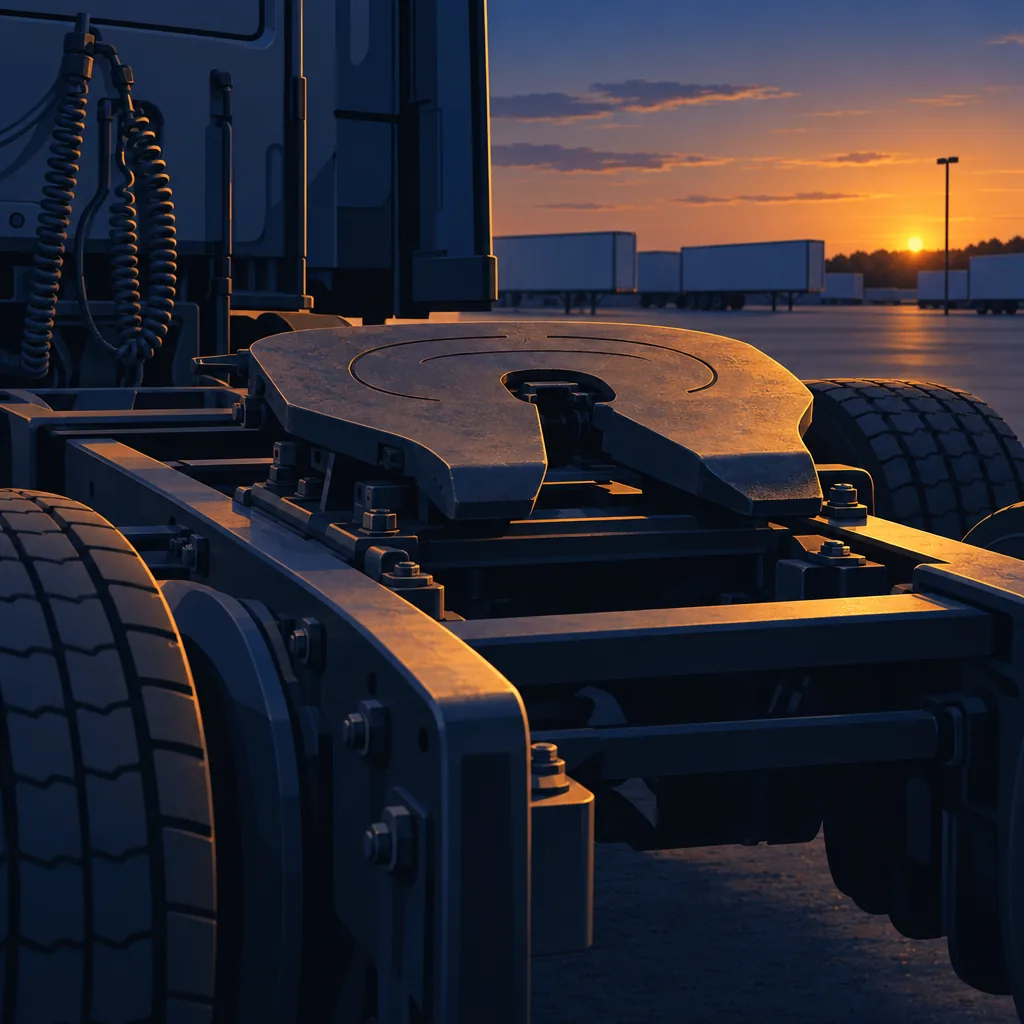
- Coupling and Uncoupling — The full step-by-step procedure for safely connecting and disconnecting a tractor and semitrailer.
- Off-Tracking and Turns — Why the trailer wheels do not follow the tractor wheels, and how to use that to make safe turns.
- Trailer Brake Systems — How trailer brakes connect to the tractor, what the hand valve does, and why you almost never use it.
- Rollover Prevention — Why combination vehicles roll over so easily and how to keep yours upright.
- Antilock Brake Systems (ABS) — What ABS does, what it does not do, and how to drive a combination with mixed ABS coverage.
How to use this study path
The most effective preparation pattern for the Combination Vehicles exam in Iowa follows three loops. Loop one: read each subtopic article above end-to-end. Do not pause to drill questions yet; build the conceptual map first. Loop two: take the Iowa Combination Vehicles practice test cold to find your weak spots. Loop three: re-read the subtopic articles you missed questions from, then re-take the practice test. Repeat loop three until you score 90% or higher on three consecutive runs.
For Iowa applicants specifically, supplement these articles with the official Iowa CDL handbook chapter on Combination Vehicles. The handbook will use the exact wording your Iowa DOT examiner sees on the test screen, which can make the difference on questions where two answer choices are technically correct but only one matches the manual’s preferred phrasing.
Exam-day logistics in Iowa
Bring proof of identity, proof of Iowa residency, your Social Security number, your current driver’s license, and your Medical Examiner’s Certificate if you are pursuing non-excepted interstate operation. The base CDL fee in Iowa is approximately $32; endorsement fees are extra. Allow at least two hours at the Iowa DOT office. Most Iowa CDL test offices recommend or require an appointment; check the agency website before you go.